MIT Researchers Unveil “SEAL”: AI That Can Self-Improve
Sam Altman says Meta tried and failed to poach OpenAI’s talent with $100M offers

In today’s email:
🥵 OpenAI and Microsoft Tensions Are Reaching a Boiling Point
🧑🏭 The Army’s Newest Recruits: Tech Execs From Meta, OpenAI and More
🚔 Police shut down Cluely’s party, the ‘cheat at everything’ startup
🧰 11 new AI-powered tools and resources. Make sure to check the online version for the full list of tools.
MIT Researchers Unveil “SEAL”: AI That Can Self-Improve

Key Takeaway: A novel MIT framework called SEAL enables AI models to autonomously fine-tune and improve other AI models using synthetic data and reinforcement learning.
More Insights:
Self-Editing Loop: SEAL uses synthetic data generation and hyperparameter tuning tools to craft fine-tuning pairs and optimize a decoder-only model in an inner reinforcement-learning loop.
No Human in the Loop: Unlike traditional supervised fine-tuning (SFT), SEAL automates the generation of training examples and tuning decisions, eliminating manual pipeline design.
Impressive Gains: In benchmarks, SEAL-tuned models jumped from 0% to a 72.5% success rate on specific tasks, showcasing its potential to revolutionize model performance.
Ethical Implications: The framework’s “self-evolving” nature raises profound questions about AI consciousness, rights, and the path toward self-replicating, potentially AGI-level systems.
Why it matters: This breakthrough blurs the line between tool and creator, challenging our assumptions about AI autonomy and forcing us to rethink the moral, legal, and societal frameworks that govern intelligent systems.
Fireflies reaches $1B valuation

Fireflies reaches $1B valuation and launches Talk to Fireflies in partnership with Perplexity to bring the power of live web search directly into your meetings.
Now you can ask questions and get accurate, up-to-date answers right inside your video calls, without switching tabs, using voice or chat in 60+ languages.
Just say "Hey Fireflies" or type /ff and get real-time answers.
Talk to Fireflies is available to all Fireflies users and supports all leading video conferencing tools, including Zoom, Google Meet, and Microsoft Teams - no extra integrations needed.
Try for FreeOpenAI and Microsoft Tensions Are Reaching a Boiling Point

Key Takeaway: OpenAI is pushing back against Microsoft’s tight control over its AI tech—so much so that it’s considering antitrust action to break free and fuel its own growth.
More Insights:
OpenAI needs Microsoft’s sign-off to convert into a for-profit entity and secure up to $20 billion in funding, but negotiations have stalled.
Friction over OpenAI’s $3 billion Windsurf acquisition: Microsoft insists on full IP access, while OpenAI wants to shield the startup’s code.
Discussions are underway about filing federal antitrust complaints against Microsoft for potentially anticompetitive partnership terms.
OpenAI aims to diversify cloud providers and limit Microsoft’s exclusive rights, even as both companies race toward “artificial general intelligence.”
Why it matters: This high-stakes standoff could redefine how AI breakthroughs are governed, potentially reshaping the balance of power—and competition—in the burgeoning AI industry.
Sam Altman says Meta tried and failed to poach OpenAI’s talent with $100M offers

Key Takeaway: OpenAI’s top researchers rebuffed Meta’s massive $100 million-plus offers, choosing mission and culture over compensation.
More Insights:
Meta’s new superintelligence team, led by Alexandr Wang, dangled $100 million signing bonuses and huge annual pay to lure OpenAI and DeepMind staff.
Sam Altman confirmed on a podcast that none of OpenAI’s best people accepted those offers, crediting belief in OpenAI’s AGI mission.
Attempts to recruit lead researcher Noam Brown and AI architect Koray Kavukcuoglu also failed, despite Meta’s broader investments in Scale AI and other hires.
Both OpenAI and Meta are racing to build AI-powered social networks, but Altman argues that genuine innovation, not big budgets, will decide who leads.
Why it matters: In the high-stakes AI arms race, this talent vote reveals that a compelling mission and culture can outweigh even the most eye-popping paychecks—hinting that the future of groundbreaking AI will be driven by vision as much as dollars.
Other stuff
The Army’s Newest Recruits: Tech Execs From Meta, OpenAI and More
OpenAI signs a $200M DoD contract
Google, Scale AI's largest customer, plans split after Meta deal, sources say
Google’s Gemini panicked when playing Pokémon
Police shut down Cluely’s party, the ‘cheat at everything’ startup
Trump Mobile Would Track Users Through AI
All your ChatGPT images in one place 🎉
You can now search for images, see their prompts, and download all images in one place.
Get the extension for FREEEditor's Pick
Parse - A software development company crafting delightful web experiences.

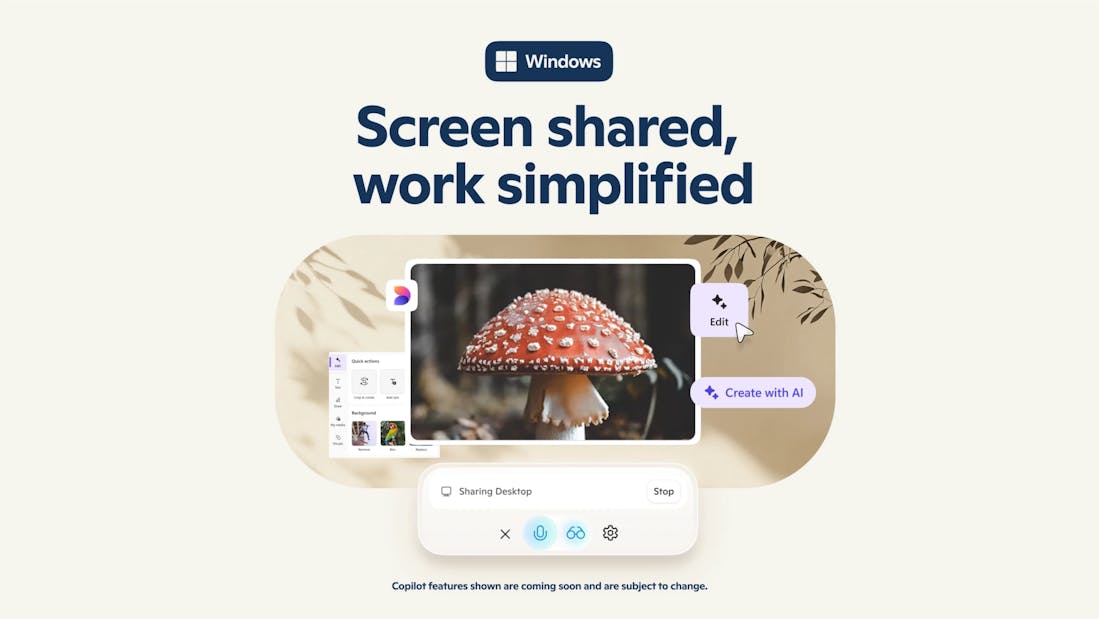
Copilot Vision - The AI compon that sees what you see on Windows
Audio Overview - Listen to your Google Search results

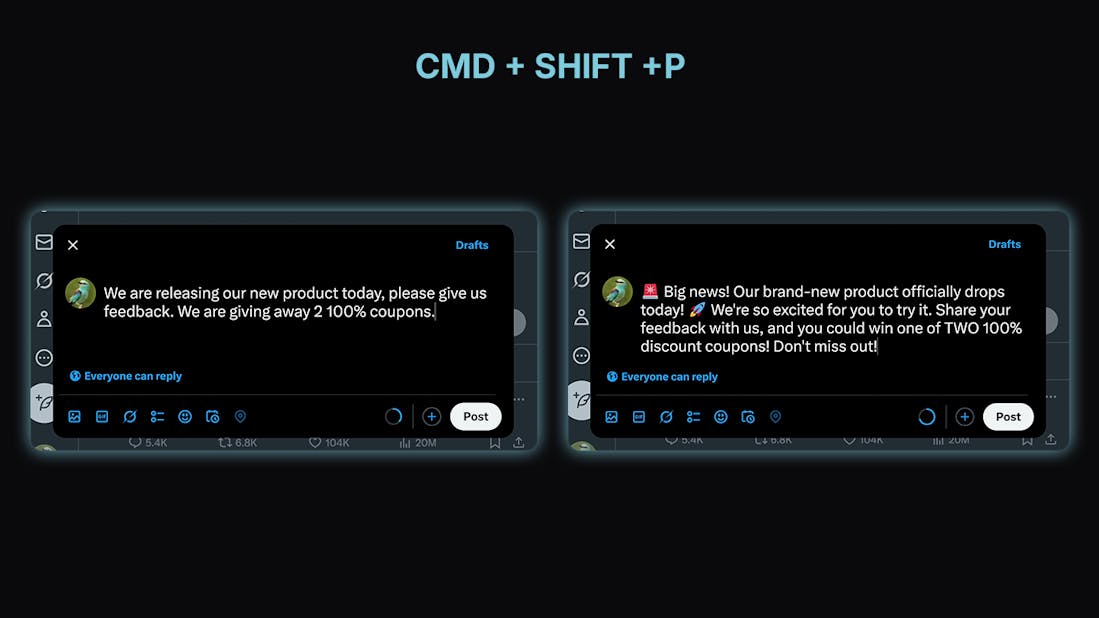
Rewrait - Select, improve, replace
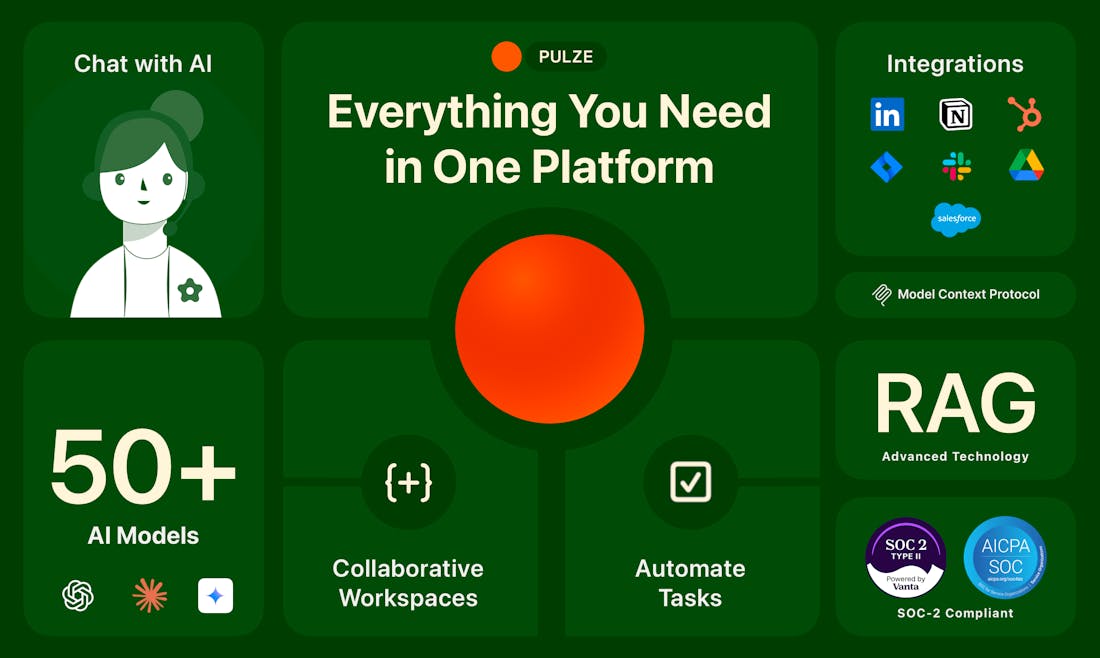
Pulze - Create AI agents and workflows without engineers
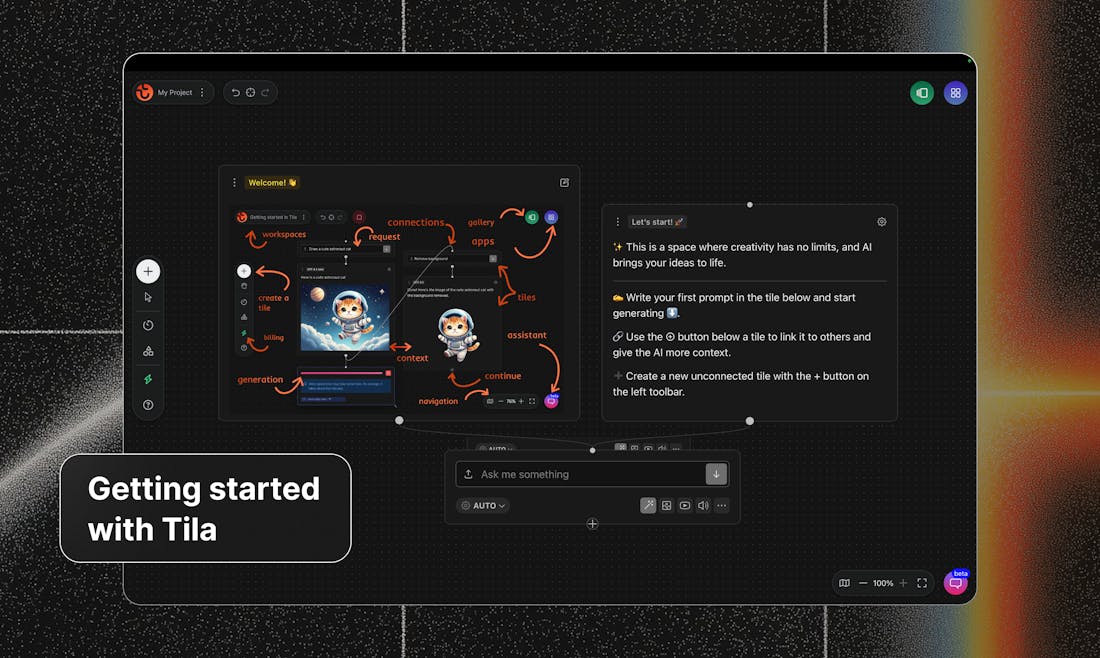
Tila AI - Create, code, search + design AI content all in one canvas
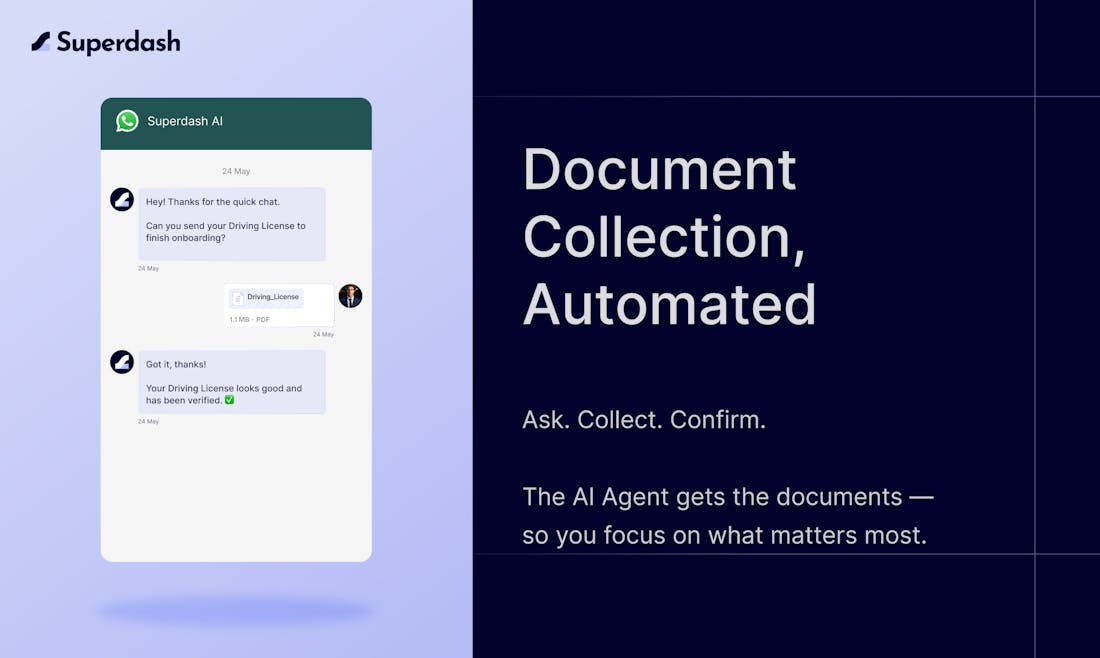
Document collection by Superdash - The document collection agent you’ve been waiting for.
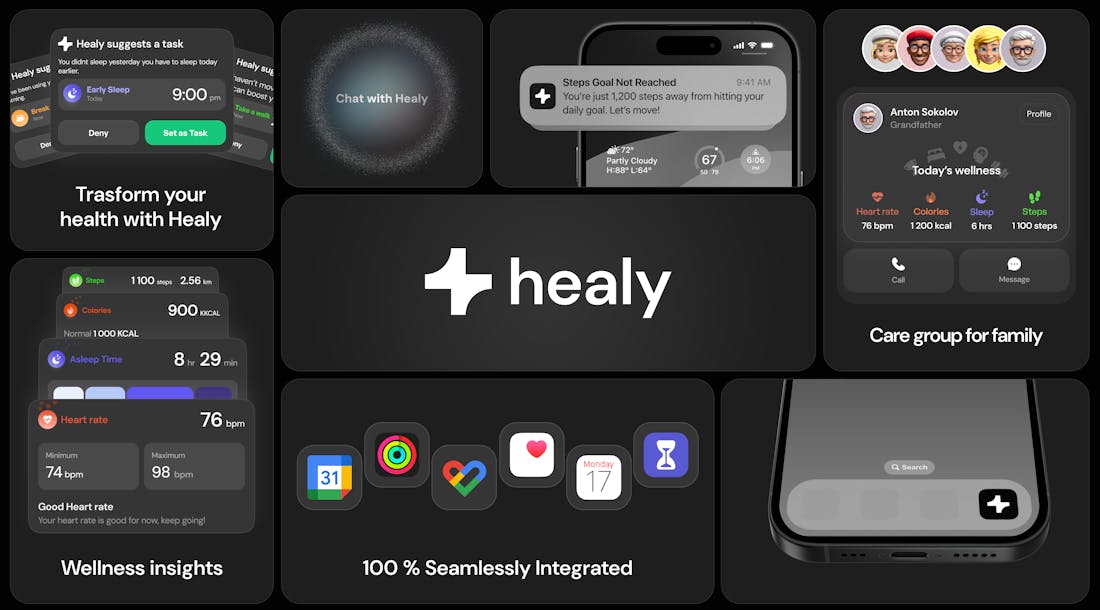
Healy - Your AI health companion for you and your loved ones
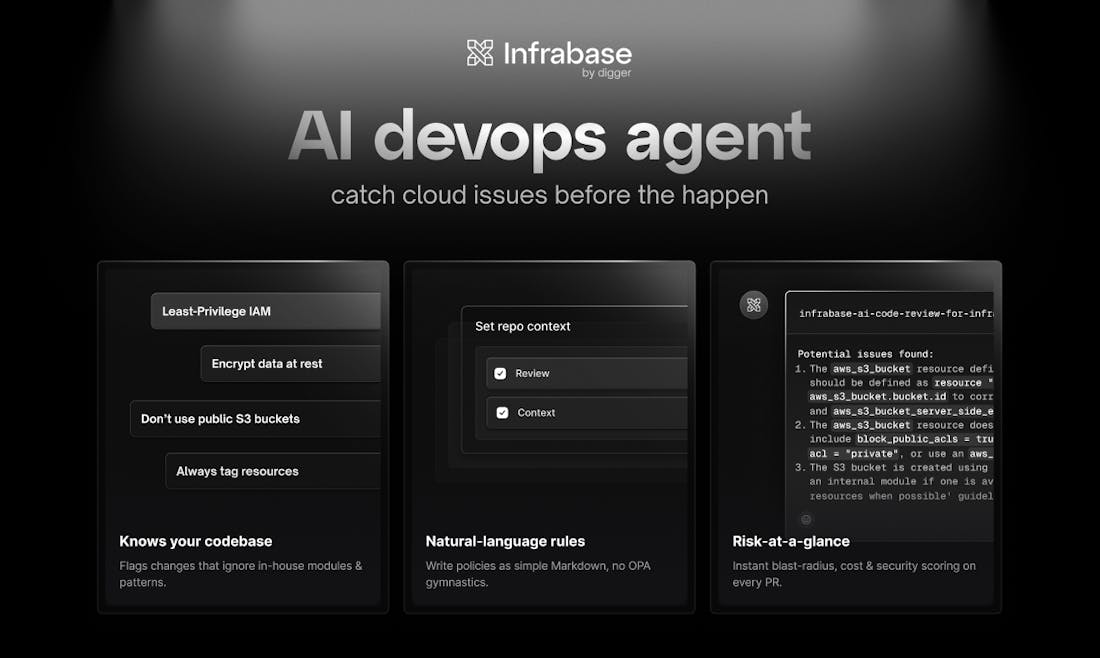
Infrabase - AI DevOps agent
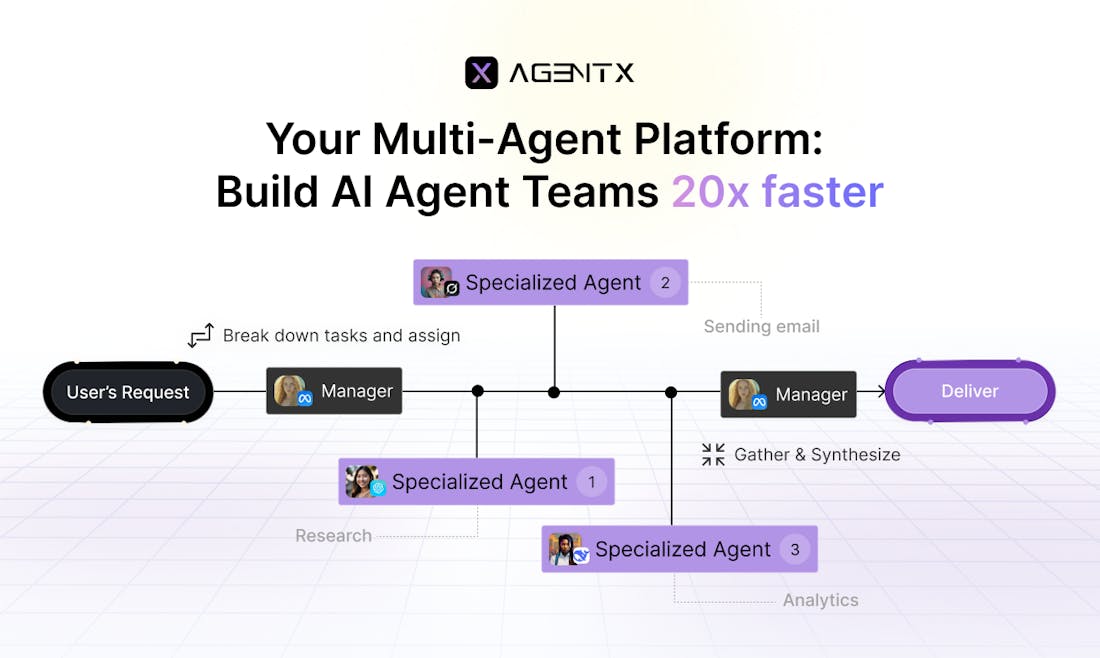
AgentX - Build a team of AI agents that work together with any LLM
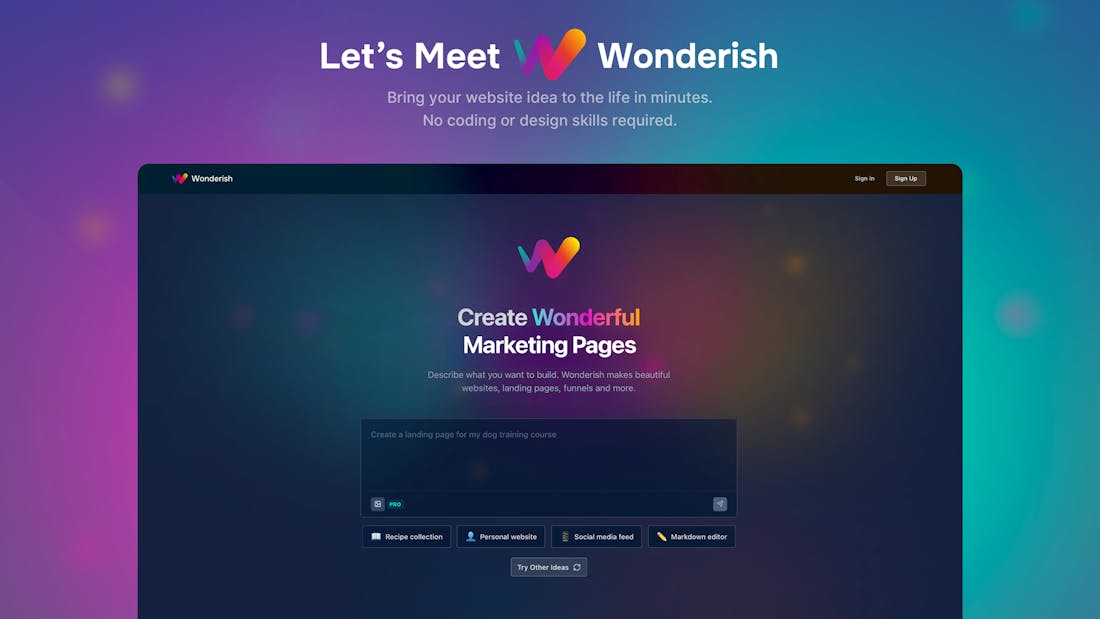
Wonderish - Canva of Vibe Coding
Unclassified 🌀
WFH Team - Work from anywhere in the world


