Physical AI: Manipulation and Manual Dexterity | Pulling the thread
View organizer listing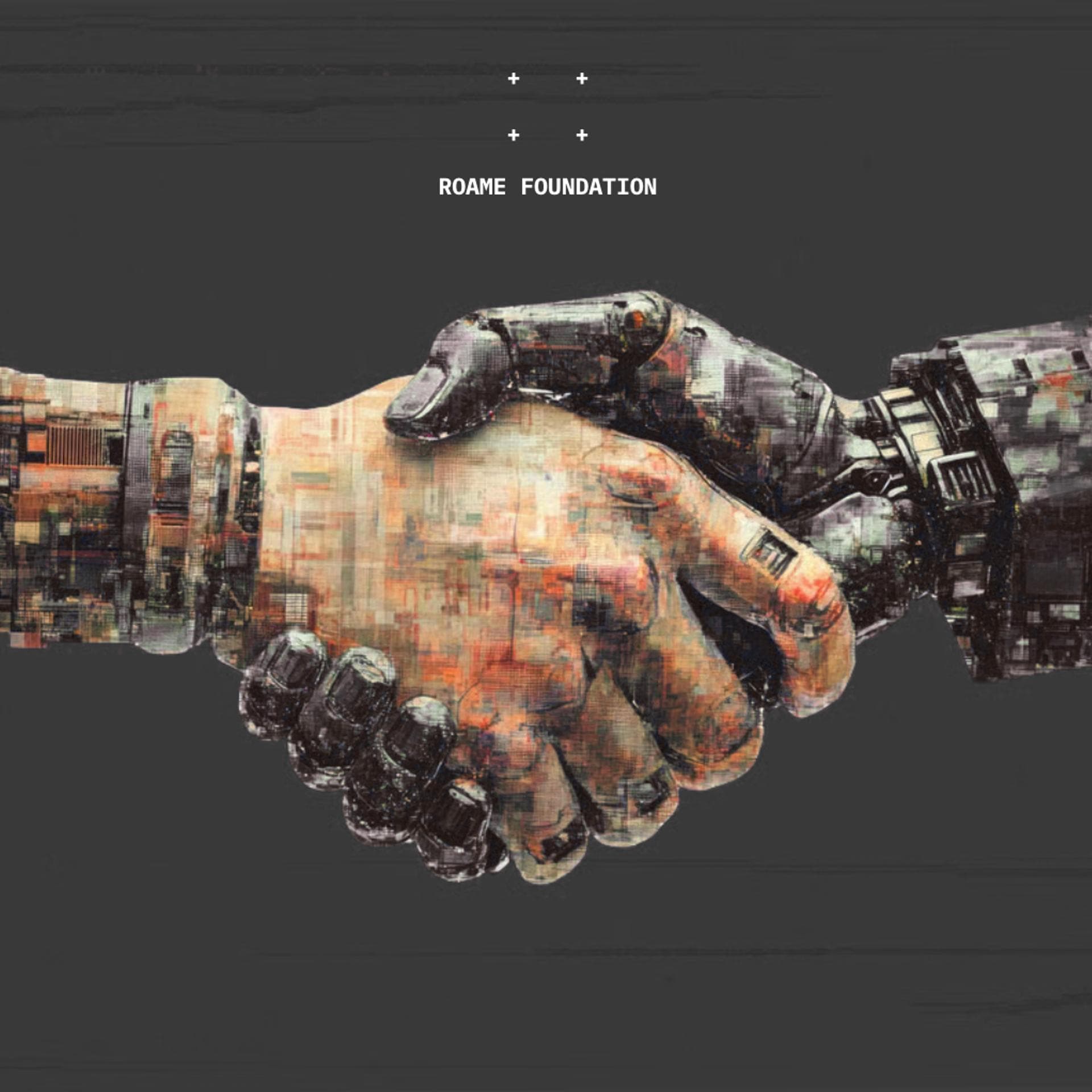
This event has ended. These details are kept for reference.
What to look forward to
The ROAME Foundation, a research collective including Fabric Ventures, Cambridge University, and AWS, will host a research dinner exploring how robots can achieve human-like dexterity through touch, sensing, control, and learning through interaction. Academics, researchers, industry experts, and startup founders will discuss whether larger models and demonstrations will be enough to advance physical AI.
Inside the event
You're invited to "Pulling the thread" - the next in a series of research dinners designed to facilitate an exchange of ideas across research and industry in frontier tech. Hosted by the ROAME Foundation; a research collective including Fabric Ventures, Cambridge University, and AWS, this evening is designed for academics, researchers, industry experts, and startup founders shaping the future. Physical AI: Manipulation and Manual Dexterity Much of the physical economy is built around what people can do with their hands. From assembling components to preparing food, the work involves manipulating objects whose shape, stiffness, weight and friction vary, often in environments we cannot fully control. Extending machine capabilities into these settings could unlock a much broader range of useful work. It also puts manipulation and manual dexterity at the centre of the question of what physical intelligence actually requires. Robots have long achieved extraordinary speed and precision in structured environments. Generalist robot models are now expanding the range of tasks that a single system can perform. But recognising an object and understanding an instruction are only part of the problem. Threading a cable, turning a screw or handling a delicate object requires managing contact: sensing forces, responding to slip, adjusting a grasp and recovering when an action does not go as expected. Some of the information needed to act only becomes available through the interaction itself. This raises questions about how far the approaches driving progress elsewhere in AI will take us. Can dexterity emerge from larger models and more demonstrations, or does progress depend on different approaches to sensing, control and learning through interaction? How much can a robot learn from watching human hands, and what must it discover through its own? Where should the boundary sit between a generalist model and fast, local feedback? When is touch essential, and how should tactile inform
The Pelican
Venue listed by the organizer · London, UK. Confirm the final address before traveling.
Open in Google Maps ↗Details come from the event listing and the organizer page; registration is managed by the organizer.
Last checked: Nov 24, 2026. Confirm current availability before making plans.
Organizer page checked: Nov 4, 2026. Check registration for the latest details.