AI helps scientists screen 70 million cells
Selected cells can be recovered for protein analysis. Plus, Google’s Mac meeting assistant works completely offline.
By Saeed Ezzati8 min read
The audio edition
Listen to this newsletter
0:004:16
Read transcript
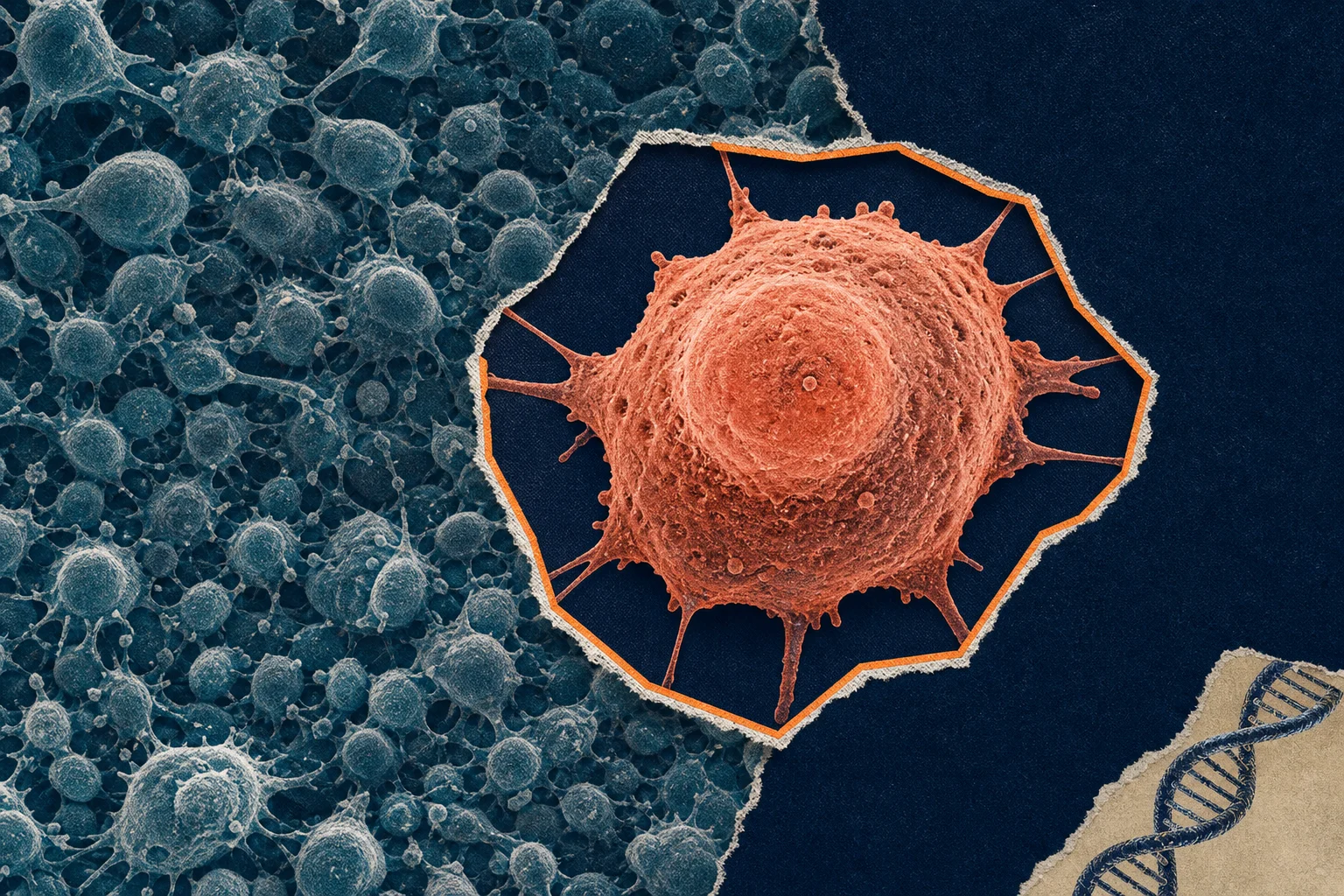
Researchers have used AI to screen 70 million cells, then physically recover selected cells to find out what was happening inside them. The advance, reported in the journal Cell, connects a visual clue from a microscope image with genetic changes and protein-level evidence. The method is called SPARCS. Researchers first used CRISPR to disable genes across the genome, then applied machine learning to images of the cells. Automated laser microdissection picked out individual cells with relevant visual features, leaving them intact for analysis by mass spectrometry. That matters because genome-wide screens are well established for simple traits, but harder to apply to complex patterns visible in images. The team tested the approach on two processes. In the first, involving autophagy—the cell’s recycling system—SPARCS recovered a large proportion of genes already known to regulate the formation of autophagosomes, and identified additional genetic contributors. The second experiment examined STING, an innate immune sensor. Researchers found that acidity in the Golgi apparatus affects STING’s early movement within the cell. They also linked GPHR, a protein that influences that acidity, to the sensor’s subsequent activation. Analysis of the recovered cells’ proteins provided a molecular readout alongside the images, including evidence of disruption involving the endoplasmic reticulum and Golgi. There’s an important boundary to the finding: computational modeling nominated additional possible STING regulators, but those remain candidates, not confirmed results. The demonstrated advance is the combination of image-based selection and molecular analysis in these two processes—not proof of every target the models proposed. The associated protein dataset is publicly listed in ProteomeXchange as P-X-D zero-eight-two-six-five-three. Beyond the lab, the same question of what a system can actually do—and who is responsible for it—applies to London’s planned robotaxi tests. Uber and Pony.ai say testing of Pony.ai’s Gen-7 vehicles is expected to begin in the coming weeks. They have not given a date for passenger rides, or identified who will own and operate London’s fleet. Zagreb offers a template: Pony.ai supplies the driving system, Verne owns and operates the vehicles, and Uber connects riders through its network. The companies say London is part of a planned 2,000-vehicle European deployment, but that is not a confirmed allocation for the city. Uber expects to offer autonomous trips in as many as 15 cities globally by the end of 2026; the London passenger launch remains unconfirmed. And in AI itself, researchers are probing how much structure sits behind a model’s fluent output. A Yale-led preprint reports that seven language models’ numerical representations can be closely approximated by structures that connect content to the role it plays, with little change in the models’ behavior. The experiments covered language, arithmetic, logic, and code. In one targeted edit, researchers moved the idea of “clever” from describing a doctor to describing a lawyer. The model’s interpretation shifted as if it had been given the sentence, “The doctor helped a clever lawyer.” The result supports evidence for this particular kind of role-and-content organization; it is not a complete explanation of how models encode information. The authors say the work only scratches the surface. That distinction between evidence and explanation matters beyond AI research, too. In San Francisco, the average one-bedroom rent has reached $4,400, more than 25 percent higher than a year ago. Eviction notices are up 44 percent, but notices do not mean that those evictions were completed. The Guardian links the pressure to AI salaries and anticipated shareholder wealth, while noting it cannot isolate AI’s contribution to rising rents. Mayor Daniel Lurie has declared a rent emergency and proposed legal aid for tenants, larger payments for people displaced, and caps on increases for newly vacant rent-controlled homes. The proposals are not yet outcomes, and protections do not remove every path for landlords to seek higher returns. Across these stories, the useful thing to watch is the gap between a promising signal and a demonstrated result: whether modeled cell regulators are confirmed, London’s test becomes a passenger service with a named operator, and San Francisco’s proposed tenant protections change the pressure renters face.