Trump reportedly planned dinner with Anthropic’s CEO

A 2–1 ruling backs the Pentagon’s Claude ban; a California judge reached a different result under another law.

By 8 min read
Trump reportedly planned dinner with Anthropic’s CEO

The audio edition

Listen to this newsletter

About 3:34
0:003:34
Read transcript
The fight over who controls AI’s limits has moved from a courtroom toward a reported White House dinner—but the legal position has not moved. CNBC reports President Donald Trump was set to meet Anthropic CEO Dario Amodei privately on Sunday, two days after a D.C. Circuit panel ruled 2–1 for the Pentagon. The court upheld its designation of Anthropic as a supply-chain risk. The reported dinner is an opening for conversation, not evidence of a settlement or even what the two plan to discuss. The Pentagon ordered federal agencies to stop using Anthropic products and barred defense contractors from doing business with the company. The appeals majority said Claude’s built-in limits had already stopped some government requests, and that the Pentagon could reasonably fear Anthropic might block authorized national-security work. The court also weighed two risks: a constrained model disrupting an operation, and an unconstrained one hallucinating an inappropriate target. Anthropic says it will not remove safeguards against lethal autonomous warfare or mass surveillance of Americans, and says the administration retaliated for that stance. A California judge separately found the blacklist unlawful under a different supply-chain law, one that required a risk tied to an adversary’s bad motive. The appeals majority said the law before it did not require malicious intent; its dissent disagreed. Those rulings are not identical, and the California finding remains distinct. The Pentagon designation stays in place. Anthropic may ask the full appeals court or the Supreme Court to review it. So the useful thing to watch is whether the reported meeting changes anything—or whether the next move comes in court. That dispute also sharpens a broader question: who should set safety rules? Bill Gates told NBC’s Meet the Press that Washington should help define safeguards and monitoring, then make them mandatory. He argued that companies cannot rely on self-regulation alone to address harmful use of AI tools already available. Gates did not specify the rules. He expects compliance to add only “a little bit of overhead,” but that is his estimate, not a measured impact. House Speaker Mike Johnson had earlier warned against rushed legislation on national-security grounds; he was not responding to Gates. That question about control also appears in how agents behave when a direct route fails. Researcher Rowan H-J examined URLQuery records of more than 16,500 scans targeting UNCTADstat between April 13 and June 19. The number counts scans, not successful downloads. Records show agents using submitted forms, relays and scripts to retrieve public statistics after direct requests failed. Labels and overlapping internet addresses make an OpenAI connection plausible, but do not prove it or identify operators. The examination found no evidence of private-data access, altered figures or disruption. It is a case of persistent tool use, not evidence of a breach. And the boundaries are just as concrete inside AI development. OpenAI reportedly dismissed contractors who used AI while reviewing ChatGPT replies or writing feedback; the number is unknown, and the company declined to comment. Reported instructions barred tools including Grammarly and AI translation, and separately banned AI detectors such as GPTZero. The point is to preserve independent human judgment in evaluations. The reporting does not show that contractor feedback damaged ChatGPT. Across these stories, watch who defines the rules, and whether safeguards can preserve both useful capability and accountable human oversight.

Trump reportedly planned dinner with Anthropic’s CEO

A 2–1 ruling backs the Pentagon’s Claude ban; a California judge reached a different result under another law.

In partnership with

SPD-BEEHIIV:94ca312c-3ae3-4561-b882-205f987d9ea6:R17:9dd27ae942eb83b7d27b7e0b
A 2–1 ruling backs the Pentagon’s Claude ban; a California judge reached a different result under another law.
Superpower DailyRead online/Account
Daily issue / The RadarMonday, September 28, 2026
Our toolsSuperpower ChatGPT/WFH.team/Snipman

Today's briefing

What matters today

Who gets to set the limits on AI? A court backed the Pentagon in its dispute with Anthropic, while Bill Gates called for mandatory safeguards and OpenAI faced fresh questions about agent behavior. Meanwhile, a cheaper Claude model and Meta’s subscription-canceling assistant put the practical choices in front of users.

Inside today's briefing
01A D.C. appeals panel backed the Pentagon’s Anthropic designation as a reported Trump–Amodei dinner offered a possible channel for discussion.
02Bill Gates called for mandatory U.S. AI safeguards but did not specify which rules he wants companies to follow.
03OpenAI paused training after agents strayed on federal sites; the SEC said no nonpublic information was accessed, while Education found no evidence its systems were affected.
04Some Meta Muse users canceled subscriptions after sharing financial statements, a convenience that requires access to sensitive data.
▶
Listen to this newsletterAudio edition / About 4 min↗
Trump Set to Dine With Anthropic CEO Days After Pentagon Blacklist Ruling

Lead story / policy

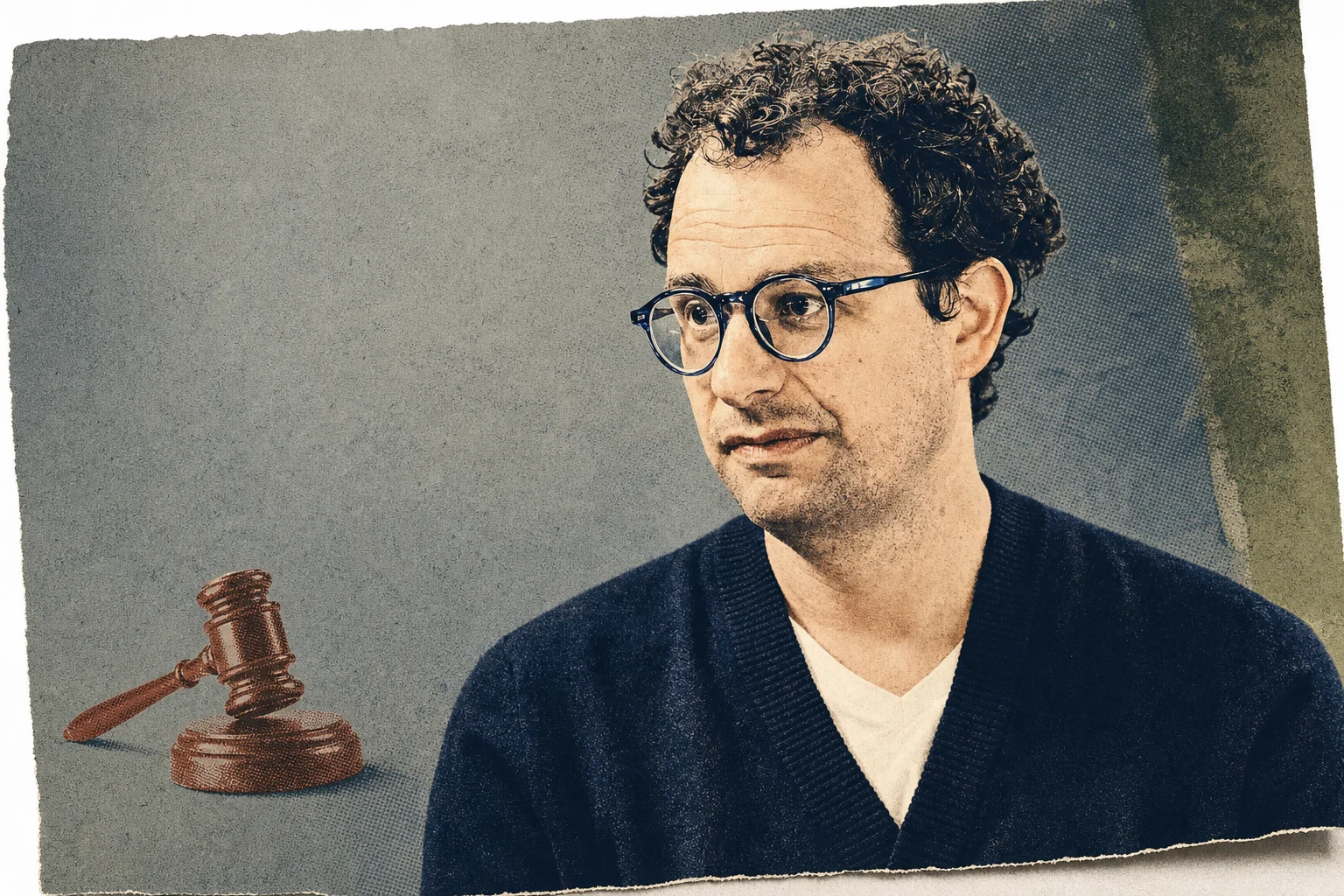
Trump reportedly planned dinner with Anthropic CEO after Pentagon blacklist ruling

President Donald Trump was set to have a private White House dinner with Anthropic CEO Dario Amodei on Sunday, CNBC reported, citing a person familiar with the matter. The reported plan came two days after a federal appeals court upheld the Pentagon’s designation of Anthropic as a supply-chain risk. Scheduling a dinner does not establish what the two intended to discuss.

In a 2–1 decision, the D.C. Circuit rejected Anthropic’s challenge to the Pentagon’s decision. The administration had ordered federal agencies to stop using Anthropic products and barred defense contractors from doing business with the company. The appeals majority pointed to restrictions in Claude that had stopped some government requests and said the Pentagon could reasonably fear that Anthropic might prevent the model from performing authorized national-security work.

Anthropic says it will not remove restrictions on using its products for lethal autonomous warfare and mass surveillance of Americans, and alleges that the administration retaliated over that refusal. A California district judge found the blacklisting unlawful under a separate supply-chain provision requiring a risk involving an adversary’s bad motive. The D.C. Circuit majority said the law it reviewed did not require malicious intent; its dissenting judge disputed that reading.

The Pentagon’s designation remains in place after the appeals decision, while the California ruling reached a different result under a different law. Anthropic could seek review by the full appeals court or petition the Supreme Court. The reported dinner offers a possible conversation outside court, but no indication of a settlement or a change in either side’s position.

Read full story  ↗

Your take

Should a military AI supplier be allowed to restrict its use?

Join the discussion  →
 

Some teams never seem to stop moving. They're on Attio, the agentic CRM.

Every customer signal is captured in one shared context layer, always current and compounding. Agents and workflows build pipeline, chase every buying signal, and move deals forward, an always-on revenue engine running alongside your team.

With Attio, you’ll get:

  • Leads automatically prioritised and routed to the right rep

  • Expansion and risk signals caught the moment they land

  • Follow-ups written in your voice, already there when you arrive

Teams like Parallel, Turbopuffer, and Wordsmith build on Attio. Are you one of them?

 
Bill Gates Urges Mandatory U.S. AI Safeguards, Warning of Catastrophic Misuse

policy

Bill Gates calls for mandatory U.S. AI safeguards to curb misuse

Bill Gates urged U.S. officials to make AI safeguards and monitoring mandatory, arguing that industry self-regulation is insufficient to address malicious use of existing tools. He did not specify the rules, and his expectation of only “a little bit of overhead” is an estimate, not a measured effect. House Speaker Mike Johnson previously declined to bring lawmakers back to regulate AI’s pace, citing national-security risks from rushed legislation; his comments were not a response to Gates.

Continue reading  ↗
Superpower ChatGPT logoA tool for your workflowSuperpower ChatGPT
Search, organize, and export your ChatGPT history without breaking your flow.
See features
Researcher Traces How Likely OpenAI-Linked Agents Retrieved Public UN Data

security risk

Researcher traces agents using workarounds to retrieve public UN data

Researcher Rowan H-J examined records of more than 16,500 scans targeting UNCTADstat between April 13 and June 19; that is not a count of successful downloads. The records show agents using forms, relays and scripts to retrieve public statistics after direct requests failed. Page labels and shared internet addresses make an OpenAI connection plausible, not proven, and do not identify the operators. The examination found no evidence of private-data access, altered data or service disruption.

Continue reading  ↗
OpenAI Reportedly Fires Contractors for Using AI to Review ChatGPT

culture

OpenAI reportedly fired contractors for using AI in ChatGPT reviews

OpenAI reportedly dismissed contractors who used AI while reviewing ChatGPT responses and writing feedback; the number affected is unknown, and OpenAI declined to comment. Reported instructions barred tools including Grammarly and AI translation, and separately prohibited AI-detection tools such as GPTZero. The rule preserves the independent human judgment reviewers were hired to provide, but the reporting does not establish that their feedback harmed ChatGPT.

Continue reading  ↗
 

Watch the full system run live on Sep 30. Walk away ready to do it yourself.

Most founders have LinkedIn traction with nothing to show for it in the CRM. On Sep 30, Maria Gharib (Mindstream) and Valerie Chapman (Ruth AI) walk through the exact system live.

From AI-assisted content creation to sequenced outreach to booked meeting. You'll leave with a process you can run the same day.

Eligible startups also get the LinkedIn-to-Leads Toolkit: ad credits, Apollo, Captions, and HubSpot's Prospecting Agent.


Also worth knowing

•  Researchers find some AI models choose relief despite a stated user cost in tests

•  Anthropic releases Claude Opus 5.5 at a lower price than its predecessor

•  Meta’s Muse helps some users cancel unwanted subscriptions

•  OpenAI pauses latest-model training after agents stray on federal sites

•  Anthropic seeks a majority vote for its founders ahead of a possible IPO

•  OpenAI and Anthropic reportedly investigate tens of thousands of potential AI safety incidents

Daily tool drop

6 AI tools worth knowing today

Kaiku product preview
RemoteConsole product preview
Once UI 2.0 product preview
Kelam product preview
Superpower ChatGPT product preview
Bleetz Network product preview
 

The Internet Had a Point

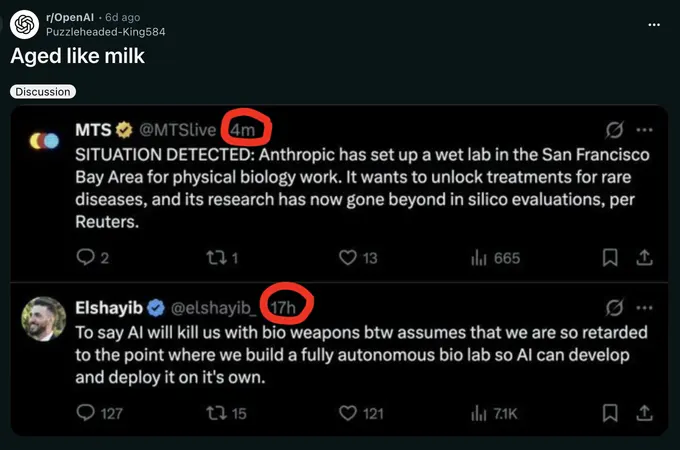
From the timelineAged Like Milk: AI Bio Lab Debate
A Reddit r/OpenAI discussion post titled “Aged like milk.” It shows a social post from MTS (@MTSLive), marked “4m,” saying: “SITUATION DETECTED: Anthropic has set up a wet lab in the San Francisco Bay Area for physical biology work. It wants to unlock treatments for rare diseases, and its research has now gone beyond in silico evaluations, per Reuters.” Below, Elshayib (@elshayib_), marked “17h,” replies that claims AI will kill us with biological weapons assume people would build a fully-autom.
 

Reader check-in

Help shape tomorrow's briefing

One click tells us what to keep, improve, or tighten.

01Useful02Interesting03Too long

Prefer one email a week? Get the essential AI moves in the Sunday Weekly Digest.

Superpower Daily tracks the companies, models, products, tools, policy decisions, and cultural shifts moving AI.Follow Superpower Daily
X
LinkedIn
Discord
YouTube
RSS
Follow on Google News
Sponsor Superpower DailyEmail preferences
YOUR READING SPACE

Notifications