$10M Fine for an AI Musician
Ilya Sutskever’s startup, Safe Superintelligence, raises $1B
In today’s email:
👀 Stephen Wolfram Reflects on What Is ChatGPT Doing... And Why Does It Work?
🤔 GPT-4 is judged more human than humans in displaced and inverted Turing tests
🥰 OpenAI's Mira Murati says the first time her mother used ChatGPT she asked it, "When will Mira get married?"
🧰 11 new AI-powered tools and resources. Make sure to check the online version for the full list of tools.
Musician charged with $10M streaming royalties fraud using AI and bots
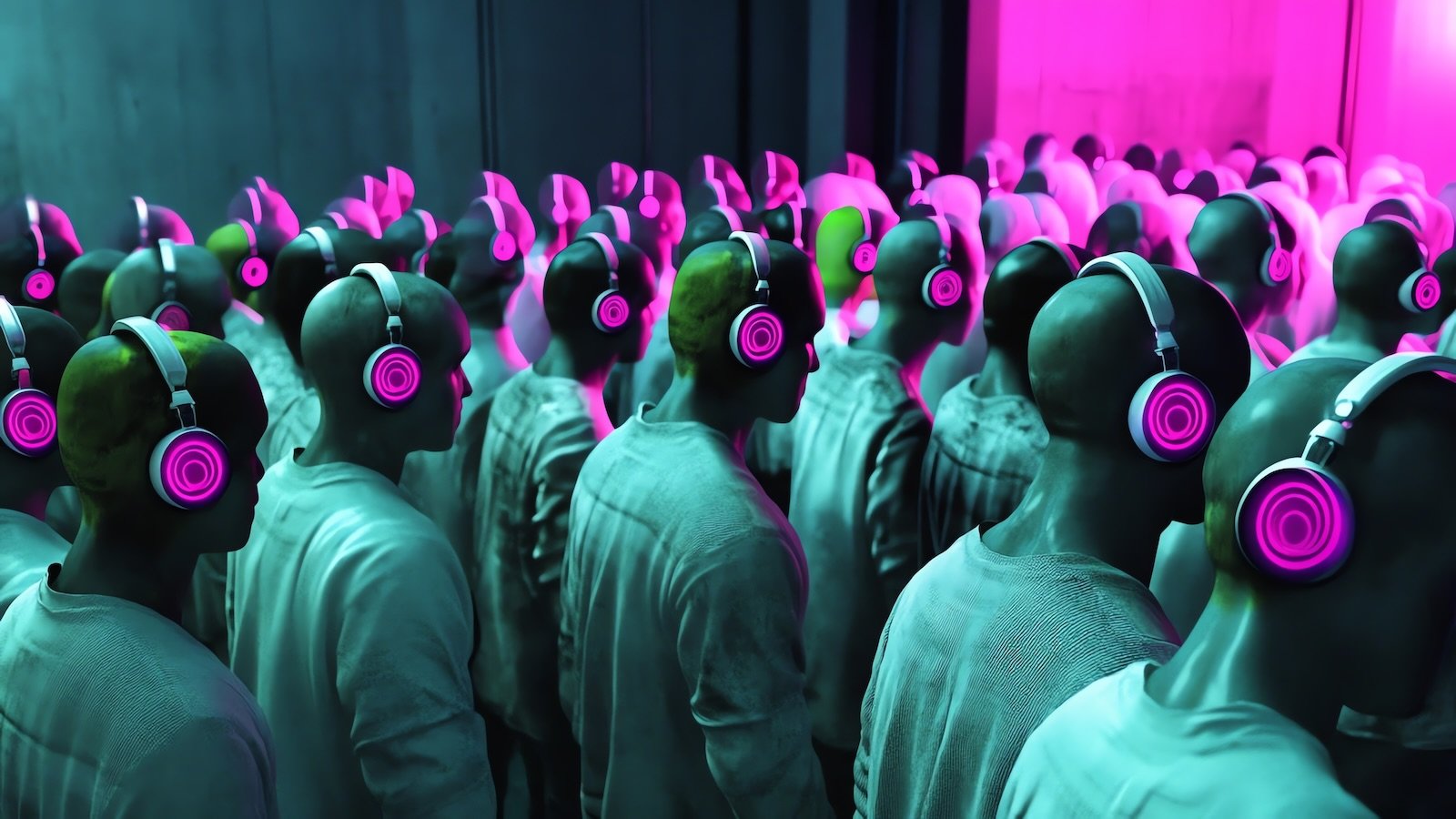
Michael Smith, a 52-year-old musician from North Carolina, has been charged with orchestrating an elaborate scheme to defraud music streaming platforms like Spotify, Apple Music, and Amazon Music. According to federal prosecutors, Smith used artificial intelligence to create hundreds of thousands of fake songs by fictitious bands and employed bots to stream these songs millions of times. Over the course of seven years, this fraudulent activity earned him a reported $10 million in royalties. Smith, who was arrested and charged with wire fraud and money laundering, could face up to 20 years in prison for each charge.
Prosecutors detailed how Smith’s scheme involved creating thousands of fake streaming accounts and using software to stream his AI-generated songs on a loop, simulating real listeners. Initially, he uploaded his own music but quickly realized it wouldn’t generate enough income. Teaming up with an AI music executive and a promoter, Smith massively expanded his song catalog, uploading thousands of fake tracks every week. By 2019, he was earning approximately $110,000 monthly, with a total of 4 billion streams and $12 million in royalties by 2024.
Despite warnings from music distribution companies about suspicious activity, Smith denied any wrongdoing, insisting there was no fraud involved. The case, which is the first criminal prosecution for music streaming manipulation brought by Manhattan's U.S. Attorney, highlights the vulnerabilities in the streaming industry, where digital listens often determine commercial success.
Understand AI’s Risks and Opportunities

With the rapid growth of AI, it's crucial for businesses to understand both the risks and opportunities it presents. Discover how you can utilize AI to drive success while minimizing potential pitfalls.
In the MIT Artificial Intelligence: Implications for Business Strategy online short course you’ll gain:
Practical knowledge and a foundational understanding of AI's current state
The ability to identify and leverage AI opportunities for organizational growth
A focus on the managerial rather than technical aspects of AI to prepare you for strategic decision making
Ilya Sutskever’s startup, Safe Superintelligence, raises $1B

Safe Superintelligence (SSI), an AI startup co-founded by former OpenAI chief scientist Ilya Sutskever, has successfully raised over $1 billion in capital. The funding round drew prominent investors, including NFDG, a partnership led by Nat Friedman and SSI's CEO Daniel Gross, as well as Andreessen Horowitz (a16z), Sequoia, DST Global, and SV Angel. The startup, which has garnered significant attention, now holds a valuation of $5 billion, according to a source familiar with the deal cited by Reuters.
SSI has not yet disclosed specifics regarding its research goals, but it revealed plans to allocate the capital toward acquiring computing power and expanding its team. The company intends to hire researchers and engineers, with its workforce split between its locations in Palo Alto and Tel Aviv. Despite the lack of detailed information on the nature of its research, SSI is expected to continue work in the AI safety space.
Before founding SSI, Sutskever led OpenAI's now-disbanded Superalignment team, which was dedicated to research on the safety of general AI systems. His departure from OpenAI followed a publicized fallout involving several board members and OpenAI CEO Sam Altman, with Sutskever referring to the issue as a “breakdown in communications” between the parties.
Stephen Wolfram Reflects on What Is ChatGPT Doing... And Why Does It Work?
In a recent episode of the Book Overflow podcast, co-hosts Carter Morgan and Nathan Tupes sat down with Stephen Wolfram to discuss his book What Is ChatGPT Doing and Why Does It Work? Wolfram, a renowned physicist, computer scientist, and the creator of Wolfram Language, shared insights into the creation and rapid development of his book, which he wrote in just ten days in response to growing public interest in the newly released ChatGPT. Despite its short length compared to his other works, Wolfram explained that the book dives into the core functioning and significance of large language models (LLMs) like ChatGPT, shedding light on the underlying principles of how they generate language.
During the interview, Wolfram reflected on the broader scientific implications of LLMs, noting how ChatGPT surprised the world by achieving fluent language generation with relatively simple neural network structures. He compared this breakthrough to past technological milestones, such as the invention of the telephone, emphasizing that no one fully anticipated how quickly and effectively ChatGPT would work. Wolfram also discussed the inefficiencies of neural networks, likening their method of learning to assembling a wall from found stones, rather than constructing it brick by brick. He noted that while neural networks work, they do so in an inefficient and somewhat mysterious manner, much like the early discoveries in logic and language.
Wolfram and the hosts explored how ChatGPT’s impact could extend to human language itself, influencing how people write and communicate. They also discussed the risks of feedback loops, where AI-generated content could be used to train future models, potentially leading to a "reversion to the mean" in creative outputs. Throughout the conversation, Wolfram expressed his curiosity about the future of AI, its limitations, and the philosophical challenges of defining intelligence, both in humans and machines. Reflecting on his career, Wolfram highlighted the importance of curiosity, cross-disciplinary knowledge, and computational thinking in advancing both technology and science.
Other stuff
AI's solution to the 'cocktail party problem' used in court
Few have tried OpenAI’s Google killer. Here’s what they think.
GPT-4 is judged more human than humans in displaced and inverted Turing tests
Microsoft gives deepfake porn victims a tool to scrub images from Bing search
An analysis of OpenAI’s GPT store found more than 100 tools that appear to violate the company’s policies
Honor's latest devices use AI to try to reverse nearsightedness
LLMs struggle to explain themselves
Before Midjourney, there was NightCafe — and it’s still kicking
OpenAI's Mira Murati says the first time her mother used ChatGPT she asked it, "When will Mira get married?"
The AI industry is obsessed with Chatbot Arena, but it might not be the best benchmark
All your ChatGPT images in one place 🎉
You can now search for images, see their prompts, and download all images in one place.
Get the extension for FREEEditor's Pick
Jsonify - Never update a spreadsheet yourself again.

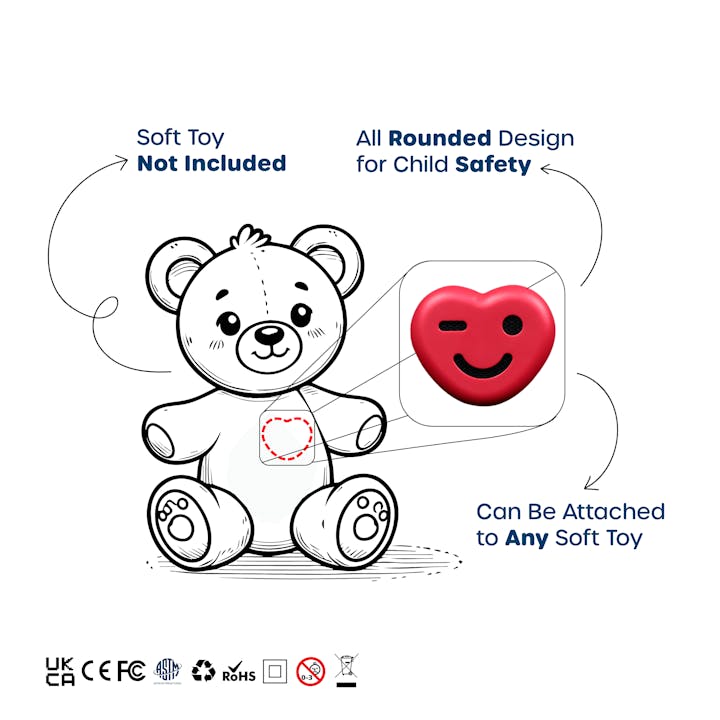
ToyPal - An AI-powered device and app that brings soft toys to life
Debate - Let AI Trump and AI Harris debate on any topic

GPT Builder Tools by Top Road - Monetise your GPTs with in-chat payments in the OpenAI Store

ZipRecruiter’s new tool will quickly match and schedule an intro call with potential candidates

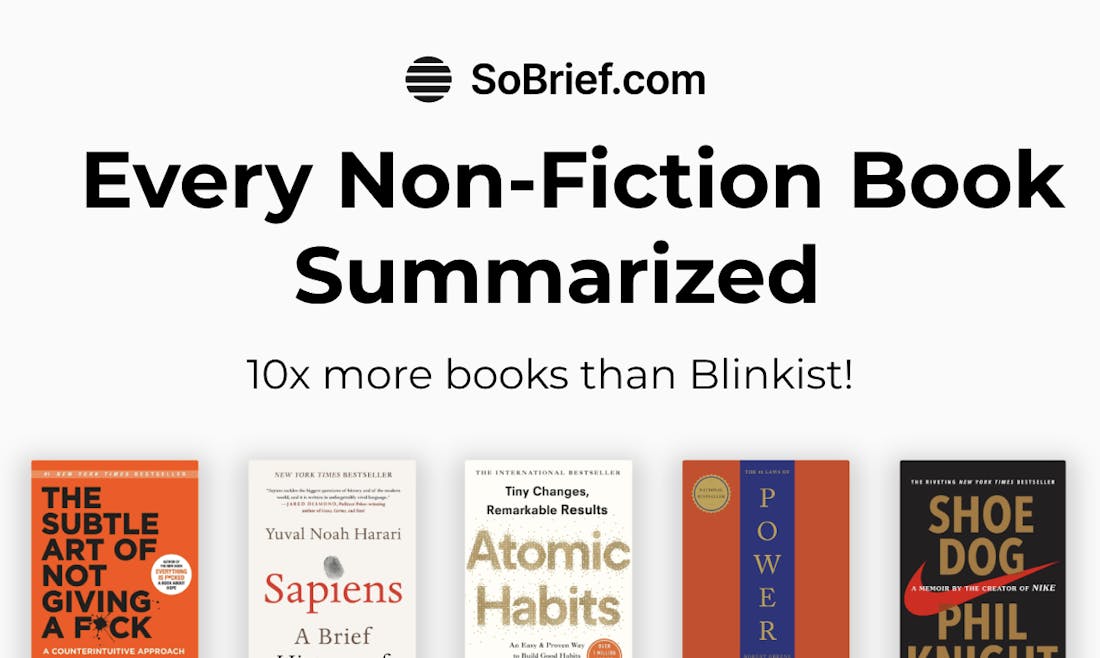
SoBrief.com - 73,530 AI-summarized books—narrated in 40 languages
Usercall - AI Voice User Interviews
AI Image to Image Generator - One click to convert your images into AI art
Unclassified 🌀
WFH Team - Work from anywhere in the world


