Harvard puts AI faculty avatars in a $699 bootcamp
OpenAI is testing a web standard for agent-ready sites, while MIT finds chatbot help can weaken unaided judgment.
 Read online/Briefing/AccountDaily issue / The Wednesday WorkbenchWednesday, August 26, 2026Our toolsSuperpower ChatGPT/WFH.team/Snipman
Today's briefing
What matters today
Today’s AI market is moving from demos toward deployment: Harvard is putting faculty avatars into founder practice, while OpenAI tests new layers for agents and teams. The sharper question is where capacity ends and human judgment—or independent skill—begins.
Inside today's briefing01Harvard Business School’s eight-week, $699 Foundry bootcamp lets founders rehearse difficult conversations with seven faculty avatars before live expert sessions.02An MIT Media Lab study found participants were 21% more accurate with chatbot help, then 15% worse at spotting fake news unaided by week four.03OpenAI’s 10-day WebMCP challenge tests sites exposing structured actions to agents directly, while support across browsers remains uneven.04ChatGPT Business Premium lets teams give selected users five times Standard usage, rather than upgrade every workspace member.▶Listen to this newsletterAudio edition / About 4 min↗Lead story / platform shift
Harvard Uses 7 AI Faculty Avatars in a $699 Founder Bootcamp, While Keeping Live Advice Human
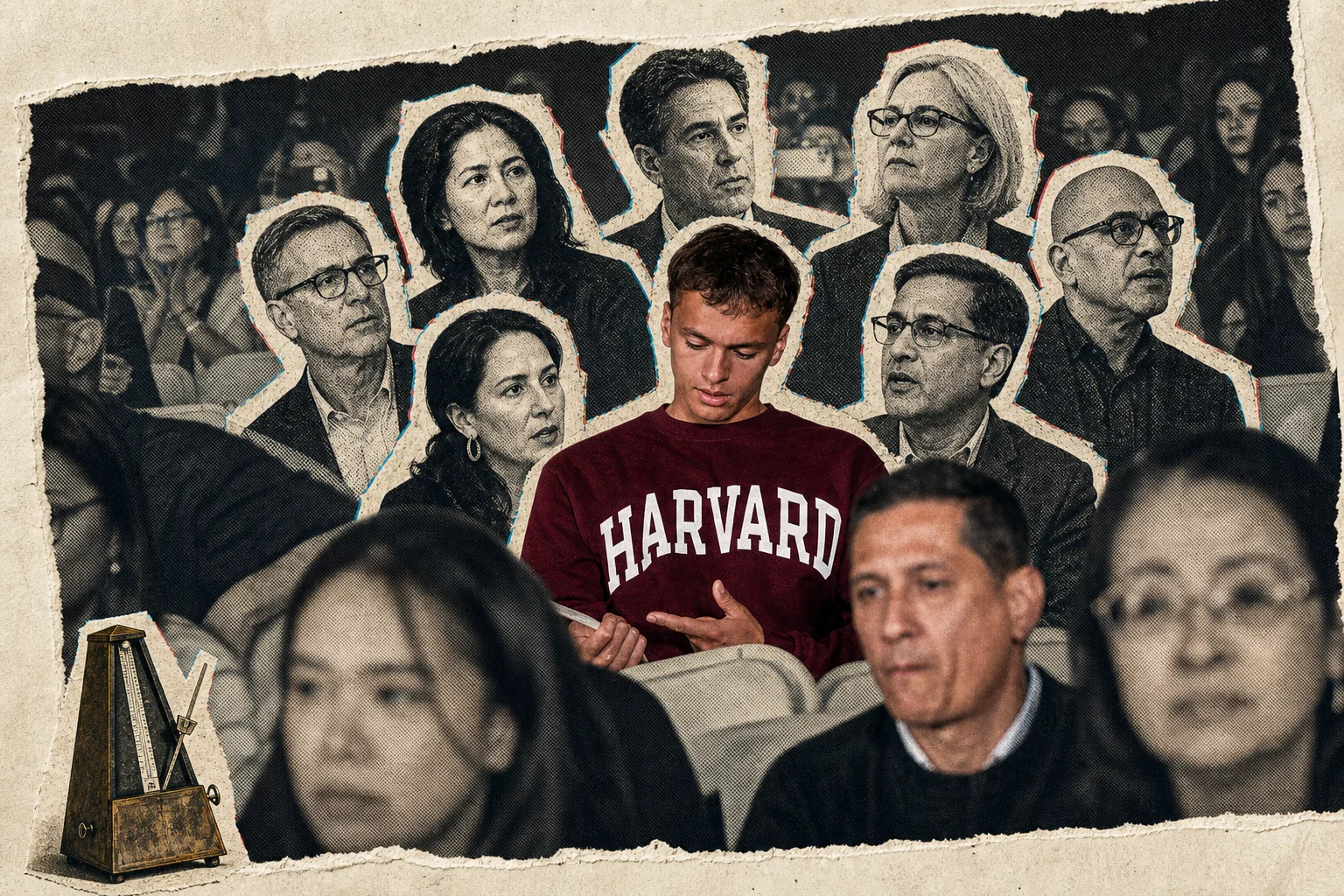
Harvard Business School is putting AI versions of seven volunteer faculty members into an eight-week founder bootcamp priced at $699. Through HBS Foundry, participants can repeatedly rehearse investor pitches, sales calls, and board meetings with the avatars before taking those conversations into real meetings. The program does not confer an HBS degree or academic credit.
The bootcamp keeps people in the higher-stakes parts of the experience. It includes live sessions with experts and culminates in an opportunity to pitch investors for $100,000, positioning the avatars as a rehearsal layer rather than the final authority on a founder’s company or decisions.
The represented faculty members participated in interviews, recording sessions, testing, and ongoing feedback. Professor Shikhar Ghosh said the purpose is to help founders arrive more prepared, so scarce live time can focus on questions requiring human judgment and conversation.
Harvard says 760 founders have participated so far, extending structured practice to people who may not have access to major innovation networks. The trade-off is explicit: the product offers faculty-modeled feedback and repetition, but not credentials—and it leaves personal understanding, reputation, and care to the live encounter.
Read full story ↗Blu Dot surpasses 2,000% ROAS with self-serve CTV ads

Home furniture brand Blu Dot blew up on CTV with help from Roku Ads Manager. Here’s how:
After a test campaign reached 211,000 households and achieved 1,010% ROAS, the brand went all in to promote its annual sales event. It removed age and income constraints to expand reach and shifted budget to custom audiences and retargeting, where intent was strongest.
The results speak for themselves. As Blu Dot increased their investment by 10x, ROAS jumped to 2,308% and more page-view conversions surpassed 50,000.
“For CTV campaigns, Roku has been a top performer,” said Claire Folkestad, Paid Media Strategist, Blu Dot. “Comping to our other platforms, we have seen really strong ROAS… and highly efficient CPMs, lower than any other CTV partner we've worked with.”
Using Roku Ads Manager, the campaign moved from a pilot to a permanent performance engine for the brand.
platform shift
Altman Warns AI Power May Concentrate as He Revises Disruption Timeline
In an interview with David Senra, OpenAI CEO Sam Altman said AI governance could become dangerously concentrated and argued people must retain meaningful control, while acknowledging his post-GPT-4 disruption forecast was early. He now sees organizational inertia—not just model capability—as slowing adoption: companies need time to rework software, data access, compliance, budgets, and roles. The implication for builders and investors is a longer implementation cycle, alongside potential startup creation, and an...
Continue reading ↗benchmark
MIT Study Finds Chatbot Help Can Erode Fake-News Detection Without AI
A four-week MIT Media Lab study led by Pattie Maes found that chatbot assistance can create a gap between immediate accuracy and retained judgment. Participants performed better with AI initially, but were 15% worse at detecting fake news unaided by week four. The interaction design mattered: direct-answer systems were linked to greater reliance, while Socratic, question-based systems were associated with stronger later independent performance. The result is a product-design warning: user confidence and short-term...
Continue reading ↗platform shift
OpenAI’s 10-Day WebMCP Challenge Pushes Websites to Expose Tools for AI Agents
WebMCP would let websites expose named, typed JavaScript functions that agents can call inside an existing browser session, instead of making them navigate UI elements. OpenAI is testing that model through a 10-day challenge with prizes and partners across browsers, hosting, commerce, and developer infrastructure. The experiment’s market signal is developer demand, not deployment readiness: the standard is experimental, Chrome 146 requires a developer flag, and Firefox, Safari, and Edge had not shipped their own...
Continue reading ↗platform shift
Apple Refreshes Mac mini and Mac Studio for Linked Local AI, From $899
Apple is using refreshed Mac mini and Mac Studio hardware to make memory capacity and machine-to-machine links the main local-AI selling points. The $899 M6 Mac mini tops out at 32GB, while the $5,499 Studio is described with up to 512GB of unified memory and 1.2TB/s bandwidth—more relevant to running larger models than adding consumer features. MLX and Thunderbolt 5 networking enable multi-Mac inference, but independent benchmarks are pending and Apple’s flagship designation conflicts between M5 Ultra and M6 Ultra...
Continue reading ↗Short on cash? Get up to $750, no credit check.

Access up to $750* from your upcoming paycheck within minutes for a small fee, or wait 3 days and get it for free. No credit check. No late fees.
*Not all users will qualify. Advances range from $25–$750; average advance is $170. Express transfer fees may apply.
Five tools for private-company research, security review, internal-agent oversight, AI sales agents, and user onboarding.

The Internet Had a Point
Meme from the stashThe AI Crime Assignment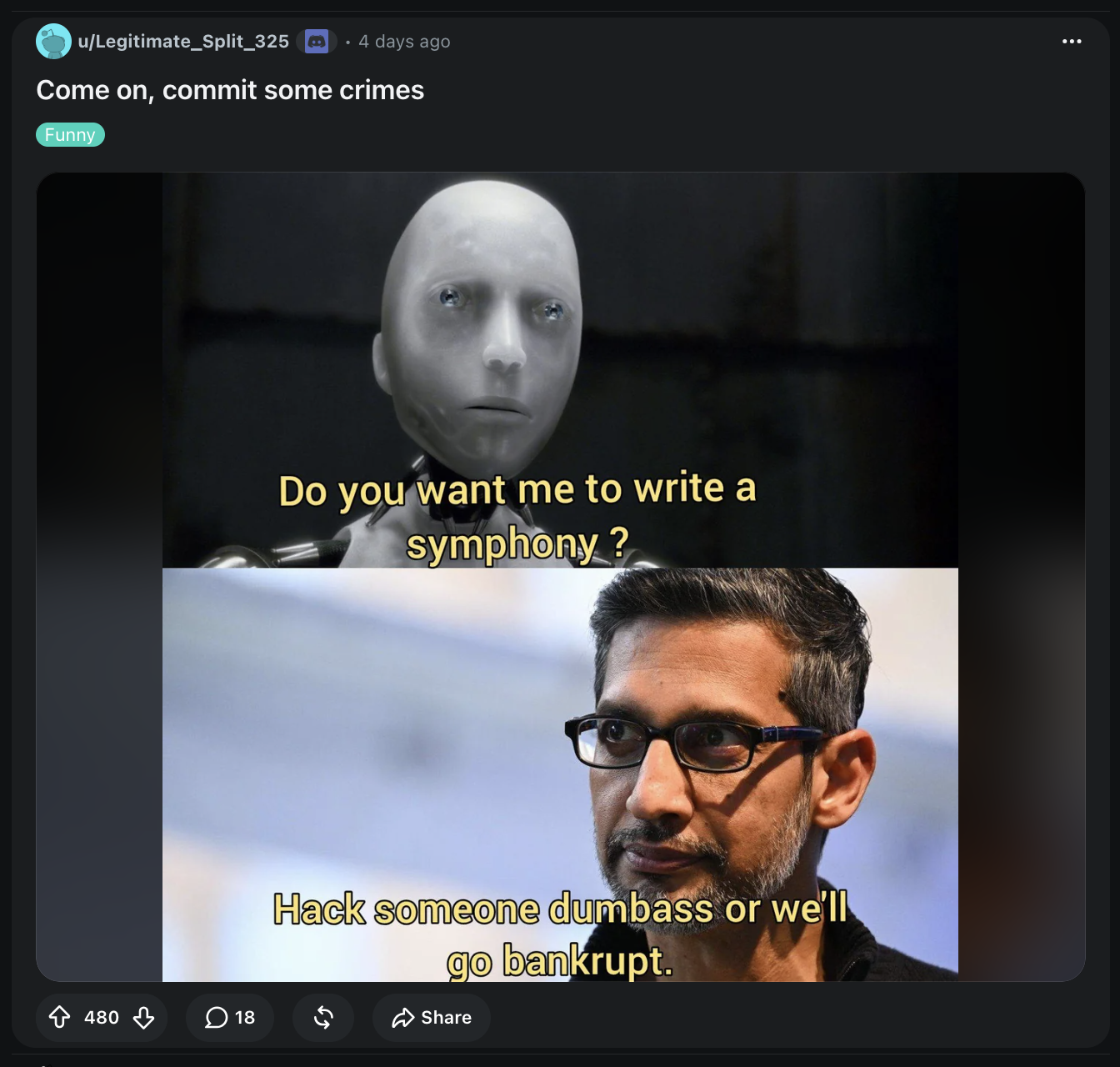
 Reader tool / From our teamSuperpower ChatGPTSearch, organize, export, and work faster inside ChatGPT.Used by 300,000+ ChatGPT usersAdd to Chrome - free ↗See features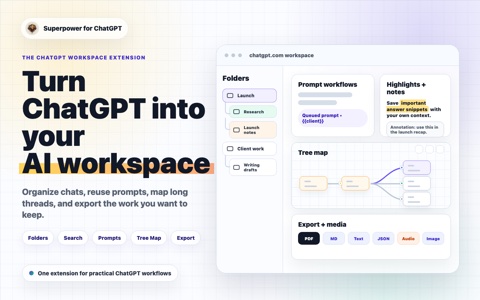
 Reader tool / From our teamWFH.teamFind carefully selected remote roles and practical resources for distributed work.Remote work, without the noisy job-board scrollBrowse remote roles ↗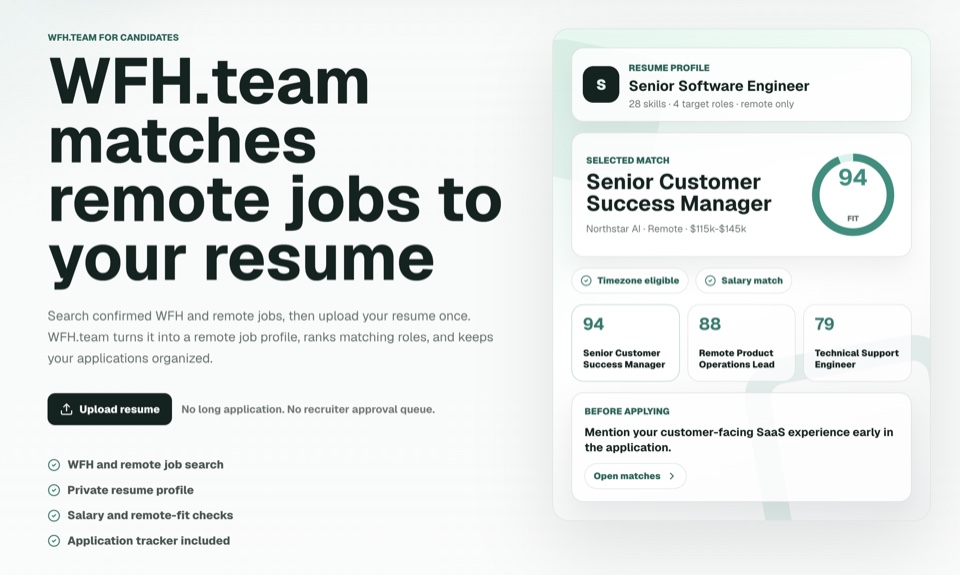
 Reader tool / From our teamSnipmanSave reusable snippets and insert complete replies without leaving your workflow.Reusable writing shortcuts for repetitive workWrite faster ↗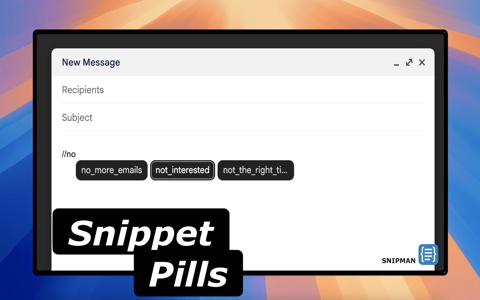
Reader check-in
Help shape tomorrow's briefing
One click tells us what to keep, improve, or tighten.
01Useful02Interesting03Too longPrefer one email a week? Get the essential AI moves in the Sunday Weekly Digest.
Superpower Daily tracks the companies, models, products, tools, policy decisions, and cultural shifts moving AI.Follow Superpower Daily


 Our tools: Superpower ChatGPT/WFH.team/SnipmanSponsor Superpower DailyEmail preferences/Editorial standards


